Welcome to the MANIFOLD Lab
About the lab
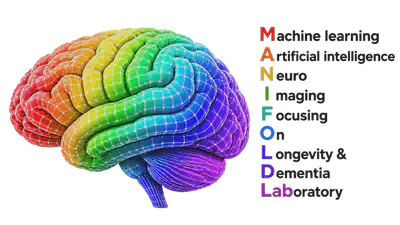
Welcome to the website of the Machine-learning Artificial Intelligence Neuro Imaging Focusing on Longevity & Dementia (MANIFOLD) Laboratory. We are based at University College London, part of the UCL Hawkes Institute, formerly the Centre for Medical Image Computing (CMIC), and the Dementia Research Centre (DRC) at the Queen Square Institute of Neurology.
Mission Statement
Our goal is to further our understanding of how the brain ages and how this affects risk of cognitive decline, neurodegenerative diseases and dementia. We do this using advanced statistics, machine learning and AI methods to analyse neuroimaging data, alongside genetic, cognitive, clinical, biological and behavioural information – taking a big-data science approach to help translate computational methods into the clinic for people with age-associated cognitive decline, dementia and related conditions.

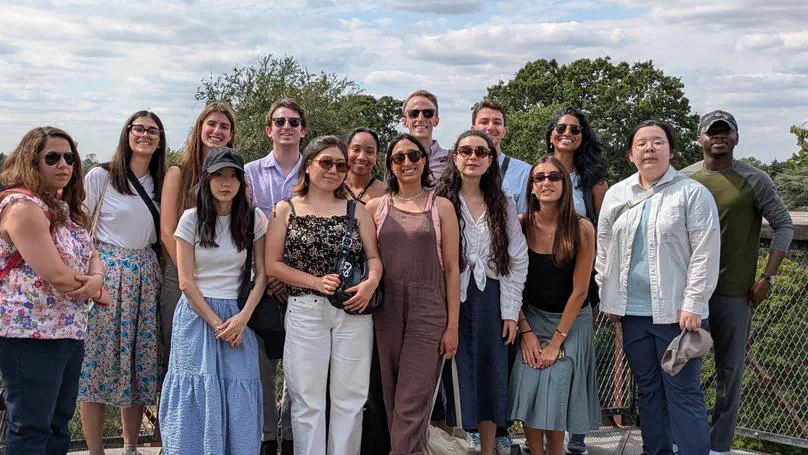
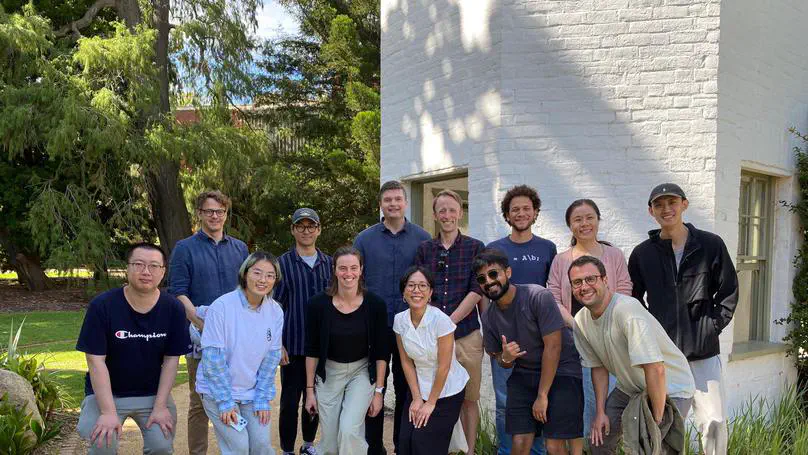
Meet the Team
Researchers

James H Cole
Professor of Neuroimage Computing
Neuroscience, Neuroimaging, Ageing, Dementia, Neurodegenerative diseases, Artificial Intelligence, Machine Learning, Information Processing, Radiology, Foundation models
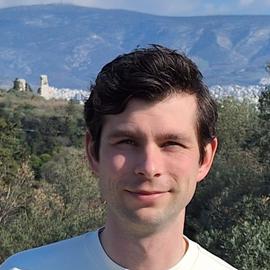
Mathijs Dijsselhof
Research Fellow
Neuroimaging, Cerebrovascular health, Cardiovascular risk factors, Brain ageing, Dementia, Arterial Spin Labelling perfusion MRI, Normative Modelling

Corinne A. Donnay
Research Fellow
Neuroimaging, Neurodegenerative Diseases, Clinical Translation, Radiology

Maitrei Kohli
Research Fellow
Neuroimaging, Neurodegenrative diseases, Machine Learning & Artificial Intelligence, Computational Modelling, Behavioual Genetics
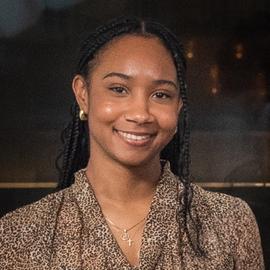
Sophie A Martin
Research Fellow
Deep Learning, Interpretability, Neuroimaging, Dementia, Computational Modelling, Physics

Apoorva Safai
Research Fellow
Neuroimaging, Ageing & Dementia, Machine Learning & Artificial Intelligence
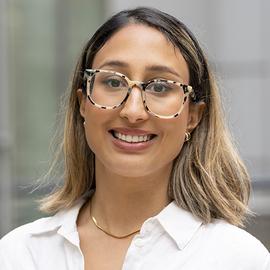
Serena Verdi
Research Fellow
Translational research, Neuroimaging, Ageing, Dementia, Neuroscience, Public engagement of science
PhD Students

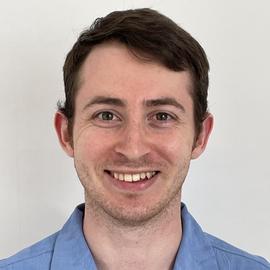
Ayodeji Ijishakin
PhD Student
Neuroimaging, Generative Modelling, Mechanistic Interpretability, Amyotrophic Lateral Sclerosis



Alumni
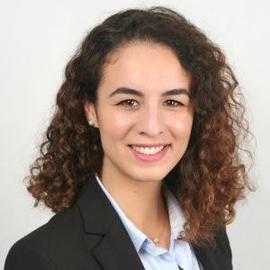
Melis Anatürk
former Research Fellow
Multimodal MRI, Ageing, Dementia, Machine Learning, Epidemiology, Public Engagement, Open Science

Rohan Bhome
PhD Student
Neuroimaging, Neuroscience, Dementia, Neurodegeneration, Dementia with Lewy Bodies, Neuropsychiatry

Francesca Biondo
Senior Research Fellow
Neuroimaging, Neuropsychology, Developmental & Cognitive psychology, Ageing & Dementia, Machine Learning & Artificial Intelligence, Ultra-low-field neuroimaging
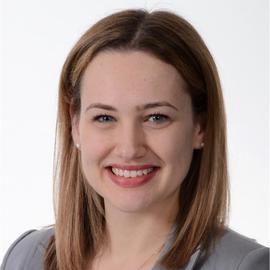
Jen Cox
PhD graduate
Neuroimaging, Autoimmune diseases, Systemic inflammation, Imaging biomarkers, Translational imaging

Georgia Kenyon
Research Fellow
Deep Learning, Interpretability, Neuroimaging, Dementia, Computational Modelling
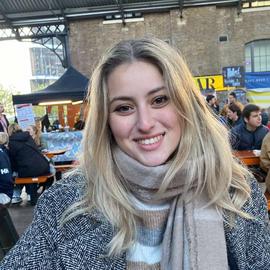
Anthi Papouli
Research Assistant
Artificial Intelligence, Neuroscience, Neuroimaging, Dementia, Bioinformatics, Multimodal Data Integration
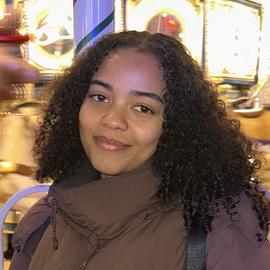
Kirsten Schröder
Research Assistant
Neuroimaging, Neurodegenerative Diseases, Generalisability, Dementia

Mariam Zabihi
Research Fellow
Normative Modeling, Machine Learning, Neuroimaging, Ageing, Neurodegenerative diseases
Visitors


Sarah Baboni
Master’s Student
Neuroscience, Neuroimaging, Neurodegenerative Diseases, Alzheimer’s Disease, Psychiatry
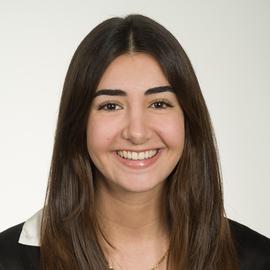
Maria Cobo
Visitor
Neurodegenrative diseases, Machine Learning & Artificial Intelligence, Computational Modelling


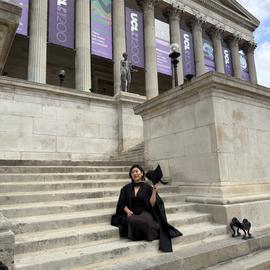
Anna Kwon
PhD Candidate
Neuroimaging, Brain Health, Ageing, Alzheimer’s Disease, Dementia, Diversity, Connectome based modelling
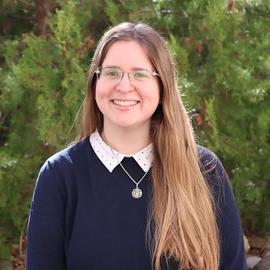


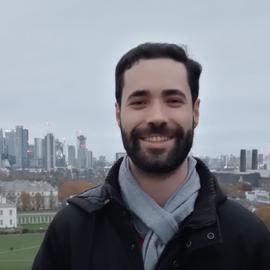

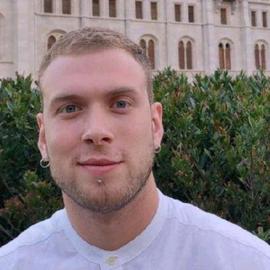

Sivaniya Subramaniapillai
Research Fellow
Neuroimaging, Brain Health, Ageing, Dementia, Sex/Gender, Diversity
Interested in joining the lab?
As of September 2026, there are no vacancies in the lab. Due to the volume of enquiries, we may be unable to respond individually to speculative applications regarding PhD or internship opportunities.
For potential PhD students, we recommend exploring UCL’s Centres for Doctoral Training (CDTs) or Doctoral Training Programs (DTPs). More information here. In most cases, applications to these training programs are handled centrally, not via individual academic staff at UCL. Directly funded PhD opportunities would typically be advertised on www.findaphd.com and we do not accept self-funded students.
For Research Fellow roles and similar post-doctoral positions, we would advertise on the UCL recruitment page and on www.jobs.ac.uk.
For short-term internships (whether remote or in person), unfortunately we are unable to support these outside of a formal accredited scheme.
Research visitors. We are open to hosting visiting research from academic institutions around the world.
Lab expertise
News
Projects
AutoML
Reducing researcher bias by making pipeline selection in a data-driven manner
BARCODE
Predicting risk of dementia in adults with subjective or mild cognitive impairment using the brain-age paradigm.
ENIGMA Brain Age
James Cole chairs the ENIGMA Brain Age working group.
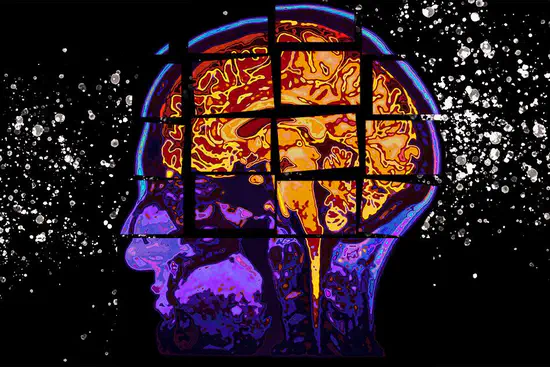
Interpretable Dementia Prediction
Developing a framework for interpretable, explainable dementia prediction and validating existing methods.
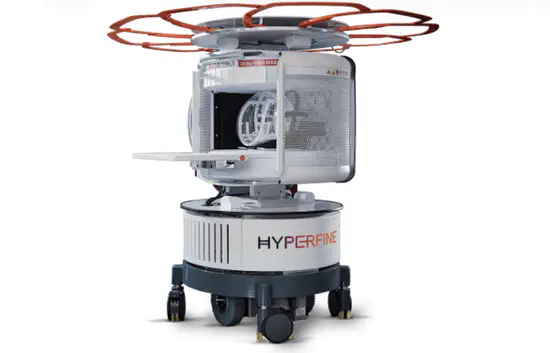
Low-field MRI
Enhancing low-field MRI images using generative models, in particular diffusion models
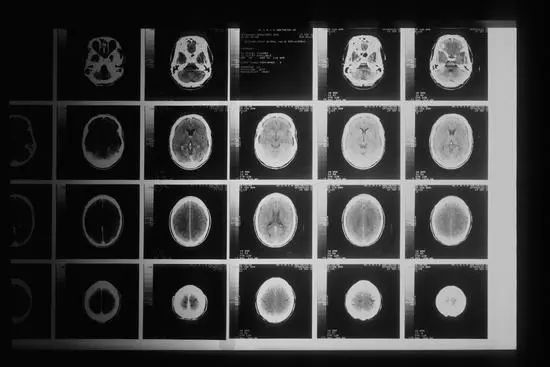
Motor Neurone Disease
Predicting disease progression in motor neurone disease
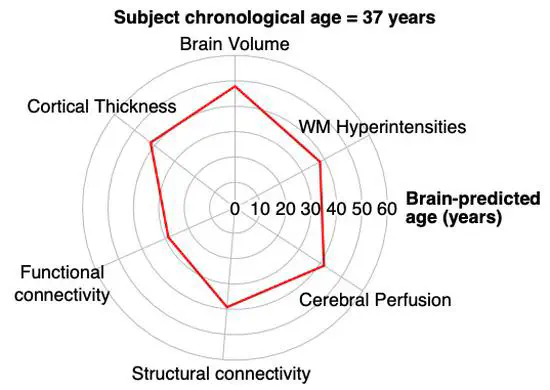
Multimodal Brain Age
Using the UK Biobank to predict brain age from multiple modalities of MRI data, including structural, diffusion and functional scans.

Neurodevelopment
Predicting risk of poor educational outcomes from MRI measurements of the brain during infancy and early childhood
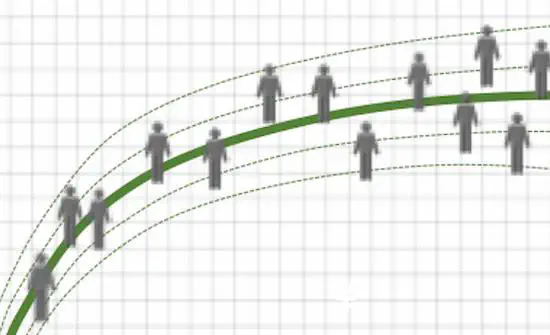
Normative Modelling
Mapping individual differences in the neuroanatomy of dementia
Scottish Medical Imaging Archive
Exploring the utility of brain age in a population-scale imaging dataset with linked health records.
Recent publications
More publications
Explore our full list of machine learning and neuroimaging research.